
Postural Restoration® (PRI)
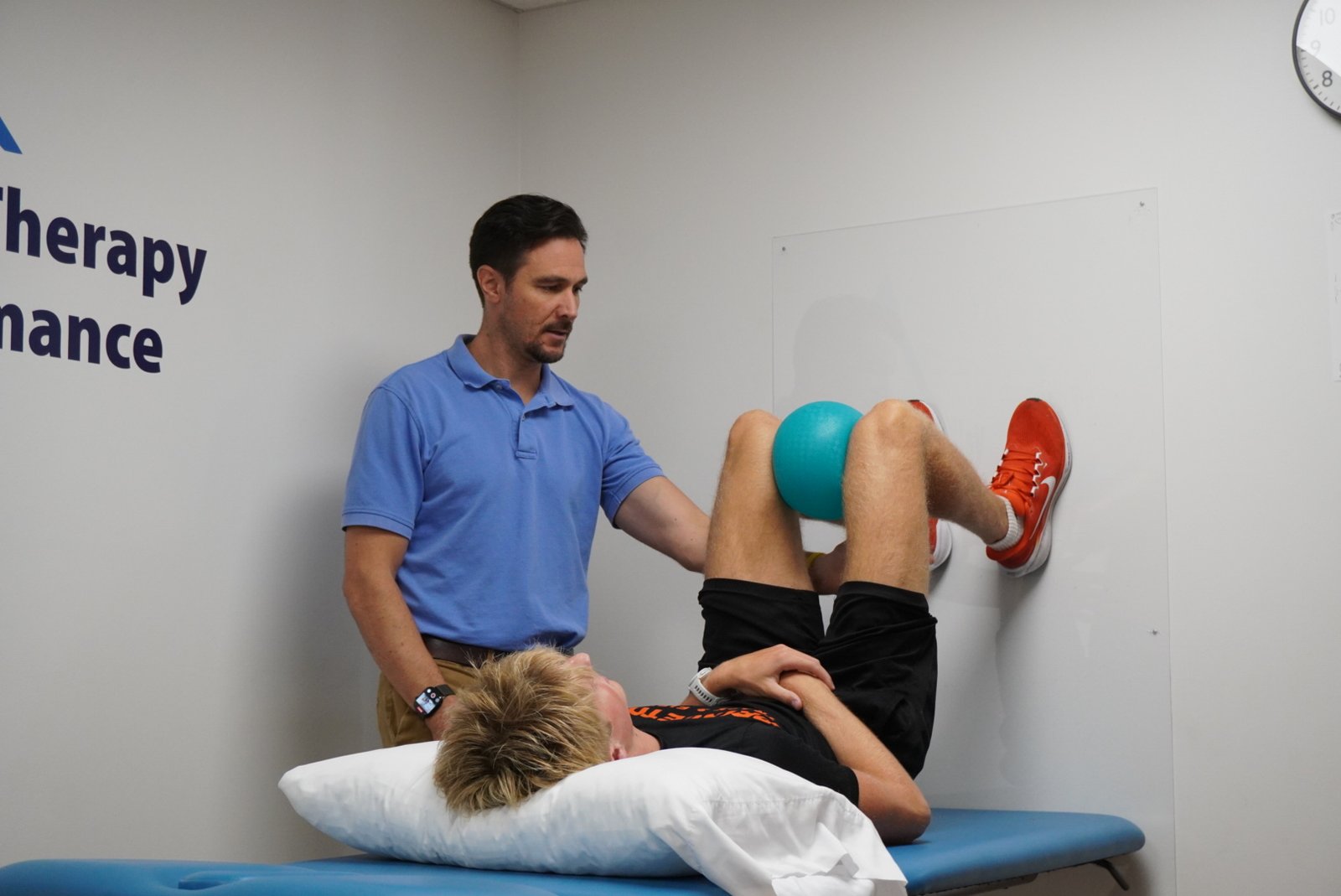
A movement-based approach to chronic pain that looks at how the whole body compensates — not just where it hurts.
The human body isn't symmetrical. The heart sits left of center, the liver and the larger portion of the diaphragm sit on the right, and most people are naturally right-side dominant. Over years of standing, walking, and moving through daily life, this built-in asymmetry creates predictable compensation patterns — and those patterns are often the real source of chronic pain that doesn't respond to typical treatment.
The Postural Restoration Institute® (PRI), founded by Ron Hruska, PT, MPA, developed a framework for identifying and correcting these patterns. As a PRI certified provider, I use it as one of the core frameworks behind treatment at Valley PT.
How this shows up clinically
In the clinic, this often explains cases that don't make sense at first glance: hamstrings that feel permanently tight no matter how much they're stretched, groin tightness that never fully resolves, one side of the body that seems to compensate for the other, or dizziness and balance issues tied to how the ribcage and diaphragm are functioning on each side.
Rather than treating the tight muscle in isolation, a PRI-based evaluation looks at how well you're able to access both sides of your body — particularly your breathing mechanics and pelvic position — and builds a retraining program from there.
Here's a simple way to picture it: most people don't shift their weight evenly from side to side when they walk or run — often leaning more on one side without ever noticing it. Watch the diagram below: the navy line shows a typical uneven, right-shifted pattern. As treatment progresses, that becomes the blue line — still natural side-to-side movement, just balanced evenly between both sides instead of favoring one.
This asymmetry isn't random — it traces back to left-brain dominance for movement, which creates a natural tendency to shift weight toward the right side of the body. That holds true even when standing on the left leg alone: most people are still carrying more weight through the right side than they realize. Treatment works by retraining the brain to activate the underused side, teaching the body how to shift weight evenly from right to left again.
PRI shows up across nearly everything we treat
It's rarely used alone — typically layered alongside dry needling, fascial manipulation, or sport-specific training depending on what's actually driving your symptoms.
Chronic Low Back & Hip Pain
Pain tied to postural asymmetry rather than a single injury.
Hamstring & Groin Tightness
Chronic tightness that hasn't responded to stretching.
Movement Asymmetries
Runners and athletes favoring one side without realizing it.
Dizziness & Vertigo
Select cases tied to the same neurological framework.
Paired with Dry Needling
Movement retraining alongside targeted trigger point work.
Paired with Fascial Manipulation
Addressing both the pattern and the tissue restriction.
Before you book
Do I need a referral or imaging first?
No. As a cash-pay practice, you can schedule directly — no referral required, and most of the patterns PRI addresses don't show up on imaging anyway.
Is PRI just stretching?
No — PRI is primarily active movement retraining and specific breathing and positional exercises, not passive stretching.
How is this different from regular PT?
Most PT treats the area that hurts. PRI looks at how the whole body's asymmetry contributes to that pain, often starting with breathing mechanics and pelvic position rather than the sore spot itself.
How long until I notice a difference?
Many patients notice a shift in how a specific movement feels within the first session or two, though lasting change comes from consistent practice over time.
Curious if this explains your pattern?
A Discovery Visit includes a full movement assessment, not a five-minute look.
Schedule Now